 By Zain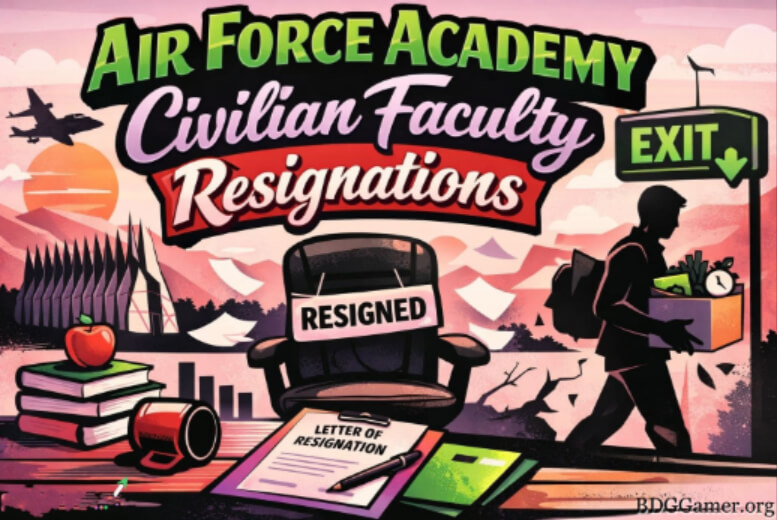
Introduction
The Air Force Academy is a prestigious institution responsible for training the next generation of Air Force officers. Civilian faculty play a critical role in delivering quality education, providing research guidance, and supporting cadet development.
However, recent reports have highlighted an increase in Air Force Academy civilian faculty resignations, raising concerns about the future of academic excellence at the academy. This article explores the reasons, effects, and potential solutions for these resignations.
What Are Air Force Academy Civilian Faculty Resignations?
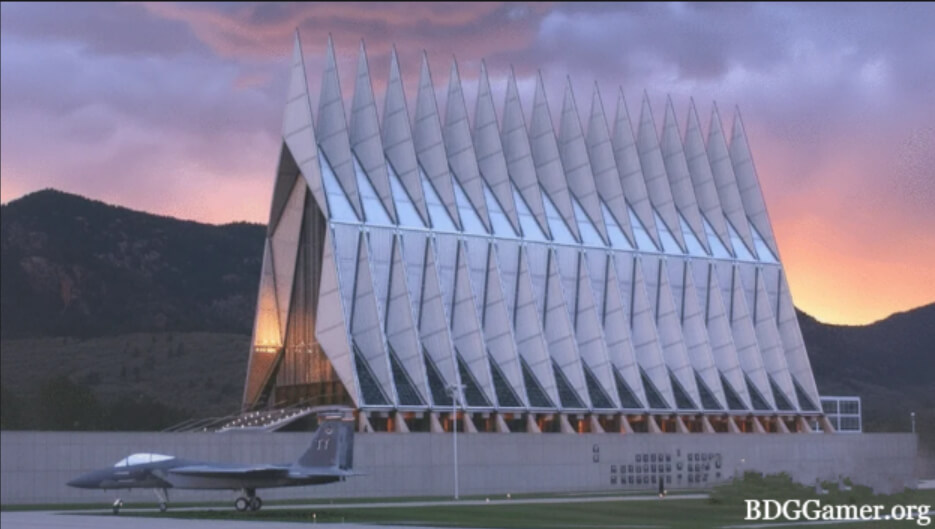
Air Force Academy civilian faculty resignations refer to the departure of non-military professors and staff who work at the academy in teaching, research, or administrative roles.
These faculty members provide essential expertise in areas like science, engineering, leadership, and humanities. Resignations in large numbers can affect academic programs and overall cadet training quality.
Causes of Air Force Academy Civilian Faculty Resignations
Several factors contribute to Air Force Academy civilian faculty resignations. Understanding these reasons is key to addressing the issue:
1. Salary and Compensation Concerns
Many civilian faculty members feel that their salaries are not competitive compared to civilian universities or private institutions. Low compensation can lead to dissatisfaction and eventual resignation.
2. Limited Career Growth
Civilian faculty may face restrictions in promotions or advancement opportunities within the academy. The lack of a clear career path can push experienced educators to seek opportunities elsewhere.
3. Administrative Challenges
Complex bureaucratic procedures, administrative pressures, and rigid protocols sometimes make it difficult for faculty to focus on teaching and research.
4. Workload and Stress
Faculty members often manage heavy teaching loads, research obligations, and administrative responsibilities. Over time, this can lead to burnout and resignations.
5. Military Culture Adjustments
While the academy fosters a disciplined military environment, some civilian faculty may struggle with adapting to the hierarchical and regimented structure, influencing their decision to leave.
Effects of Civilian Faculty Resignations on the Air Force Academy
The rise in Air Force Academy civilian faculty resignations can have significant impacts on the institution:
Decline in Academic Quality
Experienced faculty leaving can reduce the depth and quality of instruction, affecting cadets’ learning outcomes.
Disruption of Research Programs
Many civilian faculty lead vital research projects. Resignations may delay ongoing research or result in the loss of specialized knowledge.
Recruitment Challenges
High turnover rates can make it harder to attract talented civilian educators in the future, affecting the academy’s overall reputation.
Cadet Mentorship Impact
Civilian faculty often provide mentorship to cadets. Their departure can leave gaps in guidance and professional development support.
Addressing the Issue: Potential Solutions
To reduce Air Force Academy civilian faculty resignations, the academy can consider the following measures:
Improve Compensation Packages
Offering competitive salaries and benefits aligned with civilian universities can attract and retain qualified faculty.
Clear Career Pathways
Providing clear promotion criteria and professional development opportunities can motivate faculty to stay longer.
Streamline Administrative Processes
Simplifying bureaucratic procedures can allow faculty to focus more on teaching and research, reducing stress and frustration.
Enhance Work-Life Balance
Flexible schedules, reduced workloads, and support programs can help prevent burnout and improve job satisfaction.
Foster Inclusive Culture
Creating an environment where civilian faculty feel integrated and respected within the military structure can reduce cultural adjustment challenges.
Role of Civilian Faculty in the Air Force Academy
Civilian faculty play a unique and irreplaceable role at the academy. Their responsibilities include:
- Teaching specialized subjects beyond military training.
- Conducting cutting-edge research that contributes to national defense and technology.
- Mentoring cadets on academic and professional growth.
- Advising on curriculum improvements and educational strategies.
- Bridging the gap between civilian academic standards and military training needs.
The departure of these educators through civilian faculty resignations can directly impact all these critical functions.
Recent Trends in Air Force Academy Civilian Faculty Resignations
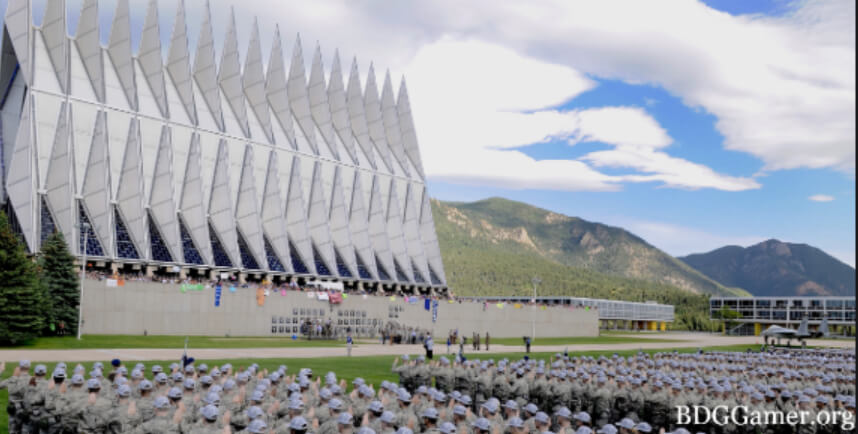
In recent years, the academy has experienced a noticeable increase in resignations. Key trends include:
- Rising turnover in science, engineering, and technology departments.
- Increased voluntary departures rather than retirements or contract expirations.
- Growing concern among cadets and academy leadership about maintaining academic excellence.
These trends highlight the need for immediate interventions to retain top faculty talent.
Conclusion:
Air Force Academy civilian faculty resignations are a pressing issue that affects education quality, research initiatives, and cadet mentorship.
Addressing this challenge requires a multi-faceted approach, including better compensation, career growth opportunities, administrative support, and cultural integration.
By taking proactive measures, the Air Force Academy can retain its valued civilian faculty and continue to provide world-class education to its cadets.
Investing in faculty retention is not just about keeping staff; it is about ensuring the academy remains a leading institution in military education and research for years to come.