 By Zain
Introduction
A private freight terminal plays a vital role in today’s fast-moving logistics and transportation industry.
As global trade expands and supply chains become more complex, businesses are looking for faster, more secure, and more efficient ways to move goods. This is where a private freight terminal becomes important.
Unlike public terminals that handle cargo for many companies, a private freight terminal is owned or operated by a specific business or group.
It offers greater control, better efficiency, and customized operations. In this article, we will explore what a private freight terminal is, how it works, its benefits, and why it is becoming more popular across industries.
What Is a Private Freight Terminal?
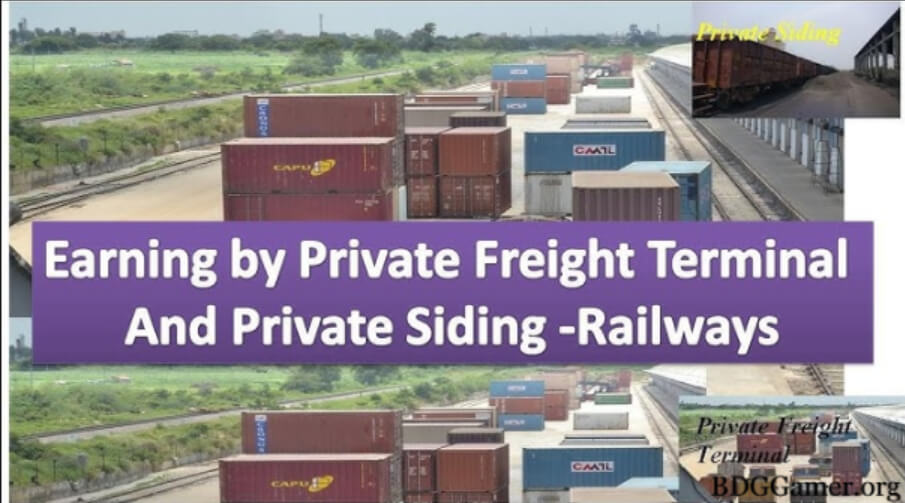
A private freight terminal is a specialized facility designed for loading, unloading, storing, and managing freight exclusively for one company or a selected group of users.
These terminals are not open to the general public and are often built to meet specific operational needs.
Private freight terminals can handle different types of cargo, including:
- Containerized goods
- Bulk materials
- Automotive shipments
- Industrial equipment
- Retail and consumer products
They are commonly connected to rail lines, highways, ports, or airports, making transportation smoother and faster.
How a Private Freight Terminal Works
A private freight terminal operates as a controlled logistics hub. Since it is not shared with unrelated companies, workflows are streamlined and customized.
Key Operational Features
- Dedicated loading and unloading areas
- On-site storage facilities
- Integrated transportation access
- Advanced cargo tracking systems
- Security monitoring and access control
Because everything is planned around a single operation or supply chain, delays and congestion are significantly reduced.
Difference Between Public and Private Freight Terminals
Understanding the difference helps explain why many companies prefer a private freight terminal.
Public Freight Terminals
- Open to multiple businesses
- Shared infrastructure
- Longer wait times
- Less operational control
Private Freight Terminals
- Exclusive access
- Customized infrastructure
- Faster turnaround times
- Higher security and control
A private freight terminal offers a clear advantage for companies that move large volumes of goods regularly.
Benefits of a Private Freight Terminal
Improved Operational Efficiency
One of the biggest benefits of a private freight terminal is efficiency. Since the facility is designed around specific needs, cargo handling becomes faster and more reliable. This helps reduce downtime and improve delivery schedules.
Enhanced Security and Safety
A private freight terminal allows tighter security controls. Restricted access, surveillance systems, and trained staff help protect valuable goods from theft or damage.
Better Cost Management
While the initial investment may be high, long-term costs can be lower. Companies save money by avoiding congestion fees, delays, and third-party handling charges.
Greater Supply Chain Control
With a private freight terminal, businesses can manage schedules, inventory, and transportation without relying on public infrastructure. This leads to better planning and fewer disruptions.
Custom Infrastructure Design
Every private freight terminal can be built to support specific cargo types, equipment, and handling processes. This level of customization is rarely possible in public terminals.
Industries That Use Private Freight Terminals
Many industries depend on private freight terminals to support their operations.
Manufacturing Industry
Manufacturers use private freight terminals to move raw materials in and finished goods out efficiently. This supports just-in-time production and reduces storage costs.
Retail and E-Commerce
Large retailers and e-commerce companies rely on private freight terminals to manage high volumes of inventory and meet fast delivery expectations.
Automotive Industry
Automotive manufacturers and suppliers use private freight terminals to transport vehicles, parts, and equipment with precision and security.
Energy and Resources Sector
Companies dealing with oil, gas, mining, and construction materials often use private freight terminals to handle bulk and heavy cargo.
Location and Infrastructure of a Private Freight Terminal
Choosing the right location is critical for a private freight terminal.
Strategic Location Factors
- Proximity to highways and rail networks
- Access to ports or airports
- Availability of land for expansion
- Local labor availability
A well-placed private freight terminal reduces transit times and transportation costs.
Essential Infrastructure Components
- Rail sidings or truck docks
- Warehouses and storage yards
- Heavy-duty handling equipment
- IT systems for tracking and management
These components work together to ensure smooth cargo movement.
Technology Used in Private Freight Terminals
Modern private freight terminals rely heavily on technology.
Digital Tracking Systems
Advanced software allows real-time tracking of shipments, improving visibility and planning.
Automation and Equipment
Automated cranes, conveyor systems, and sorting machines increase speed and accuracy.
Data Analytics
Data from terminal operations helps businesses optimize routes, schedules, and inventory levels.
Technology makes a private freight terminal smarter and more competitive.
Environmental Benefits of Private Freight Terminals
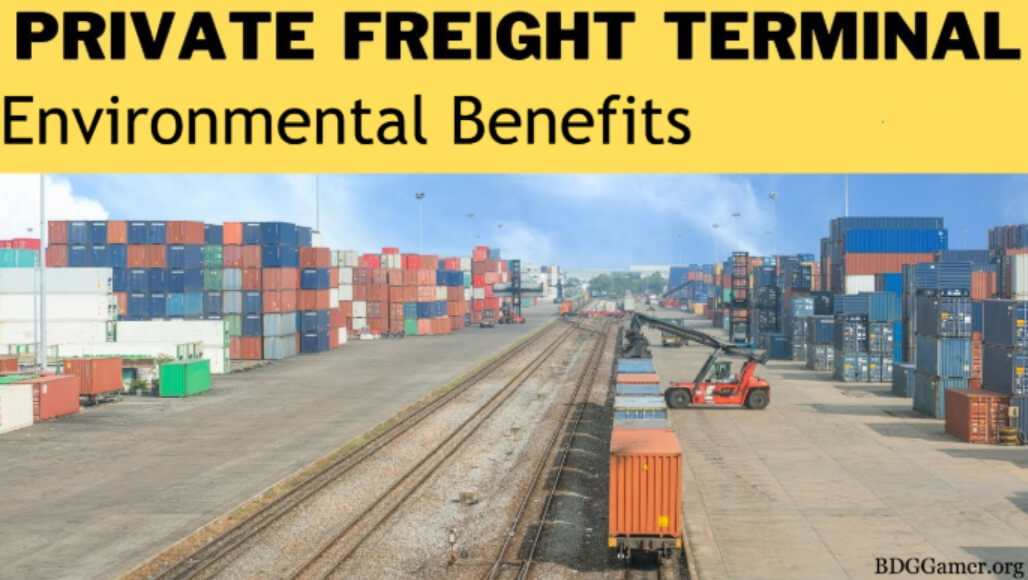
A private freight terminal can also support sustainability goals.
Reduced Emissions
Efficient handling and shorter waiting times mean less fuel consumption and lower emissions.
Optimized Transportation Routes
Better planning reduces unnecessary trips and congestion.
Energy-Efficient Facilities
Many private freight terminals use energy-saving equipment and eco-friendly building designs.
These efforts help companies reduce their environmental impact while maintaining performance.
Why Businesses Are Choosing Private Freight Terminals
Companies today face pressure to deliver faster, cheaper, and more reliably. A private freight terminal helps achieve these goals by offering control, efficiency, and customization.
Businesses that move high volumes of goods, require strict security, or want full supply chain visibility often see a private freight terminal as a strategic asset rather than just a facility.
Conclusion:
A private freight terminal is more than just a logistics facility. It is a powerful tool that helps businesses improve efficiency, reduce costs, and gain control over their supply chains.
With dedicated infrastructure, advanced technology, and customized operations, private freight terminals are shaping the future of freight transportation.
As industries continue to grow and logistics demands increase, the role of the private freight terminal will become even more important.
For companies looking to stay competitive, investing in a private freight terminal can be a smart and forward-thinking decision.