 By Zain
Introduction
In today’s fast-moving digital world, platforms play a major role in how businesses operate, scale, and communicate with users. From cloud services and SaaS tools to social media and e-commerce systems, platforms rely heavily on events to function smoothly.
However, many developers and businesses unknowingly fall into a platform event trap, a problem that can cause performance issues, security risks, and long-term operational challenges.
Understanding the platform event trap is essential for developers, business owners, and decision-makers who depend on event-driven systems. This article explains what the platform event trap is, why it happens, how it affects platforms, and how to avoid it.
What Is a Platform Event Trap?

The platform event trap occurs when a digital platform becomes overly dependent on events to manage workflows, integrations, and real-time processes.
Events are designed to make systems responsive and flexible, but excessive or poorly managed events can trap the platform in a cycle of complexity and inefficiency.
In simple terms, a platform event trap happens when:
- Too many events are generated
- Events are poorly documented
- Systems rely on events without proper control
- Debugging and monitoring become difficult
Over time, this trap can slow down development, increase costs, and reduce system reliability.
Why Platforms Use Event-Driven Architecture
Before understanding the platform event trap, it is important to know why platforms use events in the first place.
Key Benefits of Events
- Real-time data updates
- Loose coupling between services
- Better scalability
- Faster response to user actions
Events allow systems to react instantly when something happens, such as a user signup, payment completion, or data update. While this is powerful, it also creates risks when events are not managed carefully.
How the Platform Event Trap Develops
The platform event trap usually develops slowly over time rather than appearing suddenly.
Rapid Platform Growth
As platforms grow, new features are added quickly. Each feature may introduce new events, and soon the platform is flooded with them.
Lack of Governance
Without clear rules on when and how to use events, teams may create duplicate or unnecessary events.
Overengineering
Some teams rely on events even when simpler solutions would work. This adds complexity without real value.
Poor Documentation
When events are not documented properly, new developers struggle to understand how the platform works, deepening the platform event trap.
Common Signs of a Platform Event Trap
Recognizing the warning signs early can save time and resources.
Increasing System Complexity
If small changes require updates across many services, it may indicate a platform event trap.
Difficult Debugging
Tracing errors becomes harder when multiple events trigger one another in unpredictable ways.
Performance Issues
Excessive events can overload systems, causing delays or failures.
High Maintenance Costs
More events mean more monitoring, logging, and troubleshooting efforts.
Platform Event Trap and Scalability Challenges
Scalability is one of the biggest promises of event-driven systems, but the platform event trap can limit this advantage.
Event Overload
When too many events are fired, systems struggle to process them efficiently.
Bottlenecks
Some events become critical points that slow down the entire platform.
Unpredictable Behavior
Scaling becomes risky when event chains behave differently under high traffic.
Instead of enabling growth, the platform event trap can make scaling more expensive and complex.
Security Risks Linked to the Platform Event Trap
Security is often overlooked when discussing the platform event trap, but it is a serious concern.
Unauthorized Event Access
Poorly controlled events can expose sensitive data.
Data Leaks
Events may carry more information than necessary, increasing the risk of leaks.
Compliance Issues
Untracked events make it difficult to meet compliance and auditing requirements.
A trapped platform often lacks visibility into who is triggering events and why.
Business Impact of the Platform Event Trap
The platform event trap does not only affect developers; it directly impacts business performance.
Slower Time to Market
New features take longer to release due to event dependencies.
Reduced Reliability
System failures hurt user trust and brand reputation.
Increased Costs
More resources are needed to maintain and monitor complex event systems.
Limited Innovation
Teams spend time fixing event issues instead of building new ideas.
Platform Event Trap in Multi-Platform Environments
Many businesses rely on multiple platforms working together. In such environments, the platform event trap becomes even more dangerous.
Integration Complexity
Events from one platform may trigger unexpected actions in another.
Dependency Risks
If one platform changes an event, it can break multiple integrations.
Monitoring Challenges
Tracking events across platforms becomes extremely difficult.
This makes it essential to design event systems carefully from the start.
Best Practices to Avoid the Platform Event Trap
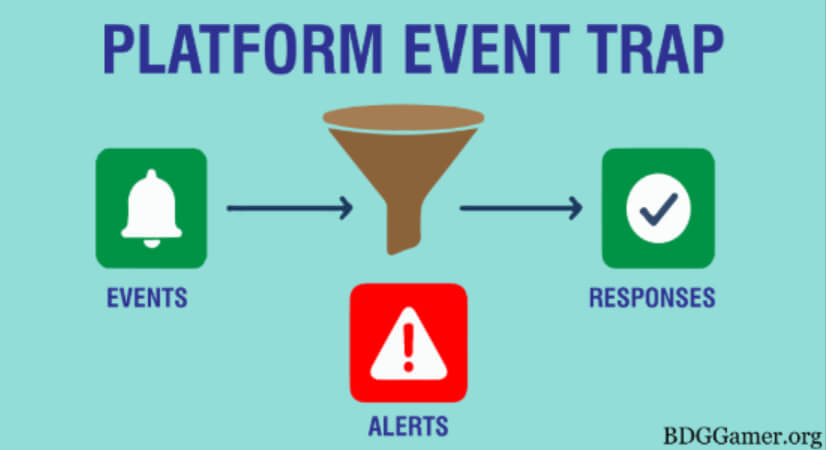
Avoiding the platform event trap requires planning, discipline, and ongoing management.
Define Clear Event Standards
Set rules for naming, payload size, and usage of events.
Limit Event Usage
Use events only when they add real value. Avoid using them for simple processes.
Centralize Event Management
A centralized system helps track and control all platform events.
Improve Documentation
Document every event clearly, including its purpose and consumers.
Monitor and Review Events Regularly
Remove unused or redundant events to reduce clutter.
Conclusion:
The platform event trap is a hidden challenge that many modern platforms face. While events are powerful tools, uncontrolled usage can lead to complexity, performance issues, security risks, and higher costs.
By understanding how the platform event trap develops and applying best practices early, businesses and developers can build platforms that are scalable, secure, and easy to maintain. The goal is not to avoid events completely, but to use them wisely and strategically.
A well-managed event system empowers growth, while a trapped platform limits it.