 By Zain
Introduction
A county integrated development plan is one of the most important tools used by local governments to guide growth and development. It acts as a long-term roadmap that outlines a county’s goals, priorities, and strategies for improving the lives of its people.
By focusing on economic growth, social development, infrastructure, and environmental protection, a county integrated development plan helps ensure balanced and sustainable progress.
This article explains what a county integrated development plan is, why it matters, how it is prepared, and how it benefits communities. The content is written in simple language to make it easy for everyone to understand.
What Is a County Integrated Development Plan?
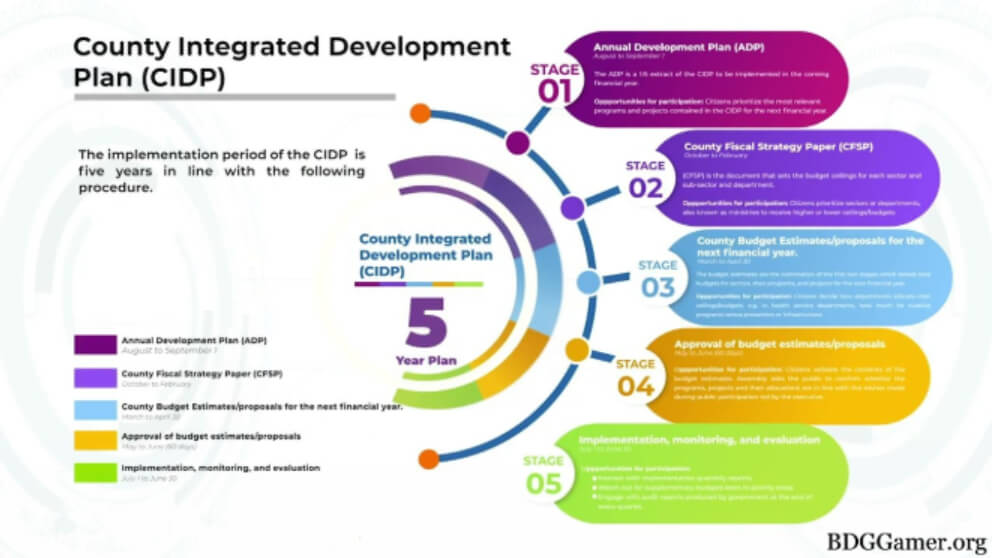
A county integrated development plan is a strategic planning document prepared by county governments. It sets out a clear vision for development over a specific period, usually five years.
The plan brings together social, economic, environmental, and institutional goals into one coordinated framework.
The main purpose of a county integrated development plan is to guide decision-making and resource allocation.
It ensures that development projects are aligned with the county’s long-term goals and the needs of its residents.
Why a County Integrated Development Plan Is Important
The importance of a county integrated development plan cannot be overstated. Without a clear plan, development can become uncoordinated and inefficient.
A well-structured plan helps counties avoid duplication of projects and misuse of public funds.
A county integrated development plan also promotes accountability. It allows citizens to track progress and evaluate whether the county government is delivering on its promises.
This transparency builds trust between the government and the community.
Key Objectives of a County Integrated Development Plan
The main objectives of a county integrated development plan focus on improving quality of life. These objectives include economic growth, social inclusion, environmental sustainability, and efficient service delivery.
Another important objective is to reduce inequality by ensuring that development benefits all regions within the county. The plan also aims to strengthen governance and institutional capacity for better implementation of development programs.
Core Components of a County Integrated Development Plan
A county integrated development plan is made up of several key components that work together. These components ensure that development efforts are coordinated and effective.
The plan usually includes a situational analysis that examines current challenges and opportunities.
It also outlines strategic priorities, development programs, and implementation frameworks. Monitoring and evaluation mechanisms are also included to track progress.
Situational Analysis in a County Integrated Development Plan
Situational analysis is the foundation of a county integrated development plan. It involves assessing the current social, economic, and environmental conditions within the county.
This analysis helps identify key challenges such as poverty, unemployment, or lack of infrastructure. It also highlights opportunities like natural resources or strategic location. Accurate situational analysis ensures that the plan addresses real needs.
Stakeholder Participation in the County Integrated Development Plan
Community involvement is a critical part of a county integrated development plan. Residents, businesses, civil society organizations, and other stakeholders are encouraged to participate in the planning process.
Stakeholder participation ensures that the plan reflects the priorities of the people. It also increases public ownership, which improves the chances of successful implementation.
When communities feel heard, they are more likely to support development initiatives.
Economic Development in the County Integrated Development Plan
Economic growth is a major focus of every county integrated development plan. Counties aim to create jobs, support local businesses, and attract investment.
The plan identifies key economic sectors such as agriculture, tourism, manufacturing, or services. Strategies are then developed to promote these sectors and increase income opportunities for residents.
Social Development Goals in the County Integrated Development Plan
Social development is another essential aspect of a county integrated development plan. This includes improving access to education, healthcare, housing, and social services.
The plan aims to reduce poverty and improve living standards. Special attention is often given to vulnerable groups such as children, women, the elderly, and persons with disabilities.
Infrastructure Planning in a County Integrated Development Plan
Infrastructure development plays a vital role in supporting economic and social progress. A county integrated development plan outlines priorities for roads, water supply, sanitation, energy, and public facilities.
Proper infrastructure planning ensures that development is evenly distributed across the county. It also helps improve service delivery and reduce regional disparities.
Environmental Sustainability in the County Integrated Development Plan
Environmental protection is an important consideration in a county integrated development plan. Sustainable development requires balancing growth with conservation of natural resources.
The plan includes strategies to manage waste, protect water sources, and address climate change. Environmental sustainability ensures that development today does not harm future generations.
Governance and Institutional Framework
Effective governance is essential for implementing a county integrated development plan. The plan outlines roles and responsibilities of various departments and institutions.
Strong institutional frameworks ensure coordination and accountability. Capacity building initiatives are often included to strengthen the ability of county staff to implement development programs.
Financing the County Integrated Development Plan
Funding is a key factor in the success of a county integrated development plan. The plan identifies potential funding sources such as government revenue, grants, and partnerships.
Clear budgeting and financial planning help ensure that resources are used efficiently. Transparent financial management also increases public confidence in the planning process.
Implementation Strategies in the County Integrated Development Plan

Implementation strategies translate plans into action. A county integrated development plan includes timelines, responsibilities, and performance indicators.
Clear implementation strategies help avoid delays and confusion. They ensure that projects are completed on time and within budget.
Conclusion:
A county integrated development plan is a powerful tool for guiding local development. It provides a clear vision, promotes accountability, and ensures sustainable growth.
By involving communities, prioritizing key sectors, and focusing on long-term goals, counties can achieve meaningful progress. A well-designed county integrated development plan is essential for building strong and resilient communities.