 By Mian Kaif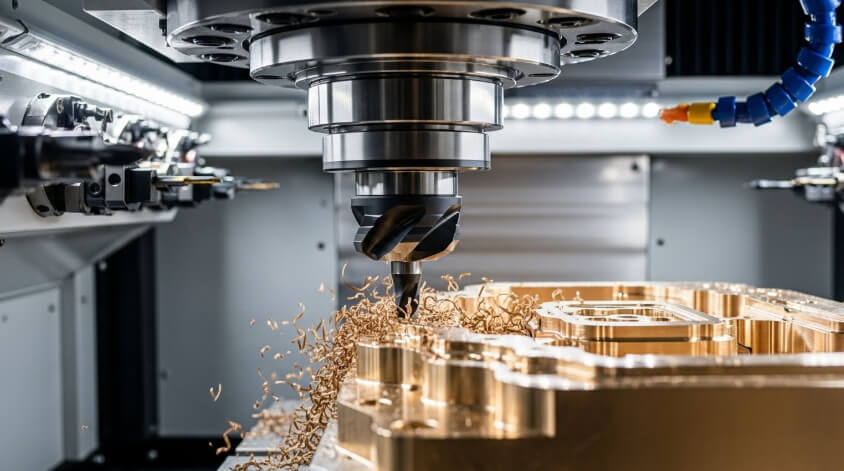
Introduction
CNC machining bronze is one of the most reliable methods for producing high-quality metal components in various industries. Bronze is known for its strength, durability, and corrosion resistance, making it a popular material for mechanical parts, decorative items, and industrial applications.
Using CNC (Computer Numerical Control) technology allows precise and efficient machining, ensuring consistent results for both simple and complex designs.
In this article, we will explore the key aspects of CNC machining bronze, including its advantages, machining techniques, applications, and best practices.
What is CNC Machining Bronze?
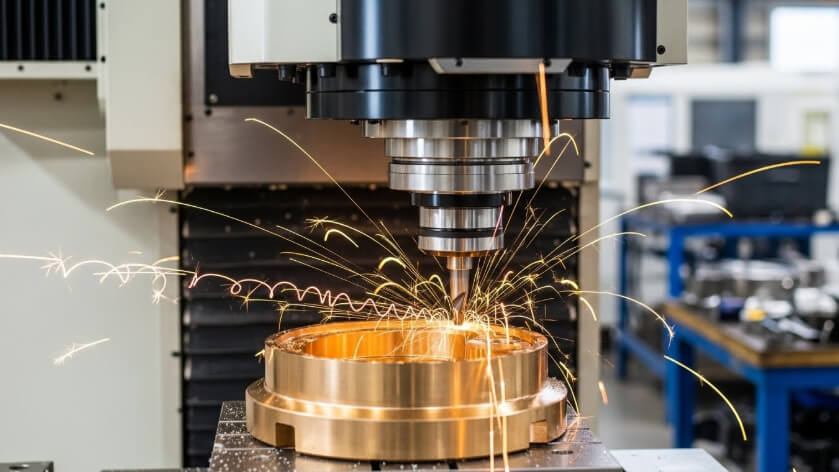
CNC machining bronze refers to the process of shaping bronze metal into precise parts using CNC machines.
These machines operate based on computer programs that control the movement of cutting tools. This ensures accuracy and consistency in every component, which is especially important in industries requiring tight tolerances.
Bronze is an alloy primarily made of copper and tin, though other elements like aluminum, manganese, or phosphorus may be added to enhance specific properties.
Its versatility, strength, and wear resistance make it an ideal choice for CNC machining.
Types of Bronze Used in CNC Machining
There are several types of bronze alloys used in CNC machining, each with unique properties:
- Phosphor Bronze – Known for excellent fatigue resistance and wear properties, making it ideal for electrical and mechanical components.
- Aluminum Bronze – Offers high strength and corrosion resistance, commonly used in marine applications.
- Silicon Bronze – Easy to machine and highly resistant to corrosion, often used in artistic and decorative applications.
- Lead Bronze – Contains small amounts of lead, providing excellent machinability and is often used for bearings and bushings.
Selecting the right type of bronze is essential for achieving optimal performance in the final product.
Advantages of CNC Machining Bronze
CNC machining bronze offers several advantages over traditional machining methods:
1. High Precision
CNC machines can produce components with extremely tight tolerances, ensuring each piece meets exact specifications.
2. Consistency and Repeatability
Once a CNC program is set up, it can produce hundreds or thousands of identical parts with consistent quality.
3. Versatility
CNC machining can handle complex shapes and designs that would be difficult or impossible with manual machining.
4. Faster Production
Automated machining processes reduce production time compared to traditional methods.
5. Reduced Waste
CNC machining optimizes material usage, reducing scrap and lowering production costs.
CNC Machining Bronze Techniques
Several techniques are commonly used in CNC machining bronze:
1. Milling
Milling involves removing material from the bronze workpiece using rotating cutting tools. It is widely used for creating flat surfaces, grooves, slots, and complex 3D shapes.
2. Turning
Turning is performed on a lathe, where the bronze workpiece rotates against a stationary cutting tool. This technique is ideal for cylindrical parts such as shafts, bushings, and bearings.
3. Drilling
Drilling creates precise holes in bronze components, essential for assembly or functional requirements.
4. Threading
CNC machines can cut internal or external threads with high accuracy, which is important for fasteners and connectors.
5. Finishing Operations
Operations like polishing, deburring, and surface treatments enhance the final appearance and performance of bronze parts.
Challenges in CNC Machining Bronze
While CNC machining bronze is highly effective, it does come with some challenges:
1. Tool Wear
Bronze is softer than steel but can still cause wear on cutting tools, especially during high-speed machining.
2. Chip Formation
Bronze produces long, stringy chips that can tangle around tools and affect machining efficiency. Proper chip control is necessary.
3. Heat Management
High-speed machining can generate heat, which may affect material properties and surface finish. Cooling fluids are often used to maintain optimal temperature.
4. Surface Finish
Achieving a smooth surface finish requires careful selection of cutting tools and machining parameters.
Applications of CNC Machining Bronze
CNC machining bronze is used in a wide range of industries due to its mechanical properties and corrosion resistance:
1. Industrial Machinery
Bronze components are used in gears, bearings, bushings, and pumps due to their durability and wear resistance.
2. Marine Industry
Aluminum bronze is especially valuable for marine applications, including propellers, valves, and pumps, because of its corrosion resistance.
3. Electrical Industry
Phosphor bronze is often used in electrical connectors and switches because of its conductivity and fatigue resistance.
4. Decorative Items
Bronze is popular in sculptures, art pieces, and architectural elements due to its aesthetic appeal and ability to achieve fine details.
5. Automotive Components
Bronze is used in automotive components that require strength, durability, and low friction, such as bushings and bearings.
Conclusion:
CNC machining bronze is a versatile, efficient, and reliable method for producing high-quality bronze components. From industrial machinery to decorative art, bronze parts play an essential role in various industries.
By understanding the types of bronze, machining techniques, best practices, and applications, manufacturers can fully leverage the benefits of CNC machining bronze.
For businesses and individuals seeking durable and precise bronze components, CNC machining offers unmatched quality, repeatability, and efficiency.
 Zain
Zain