 By Mian Kaif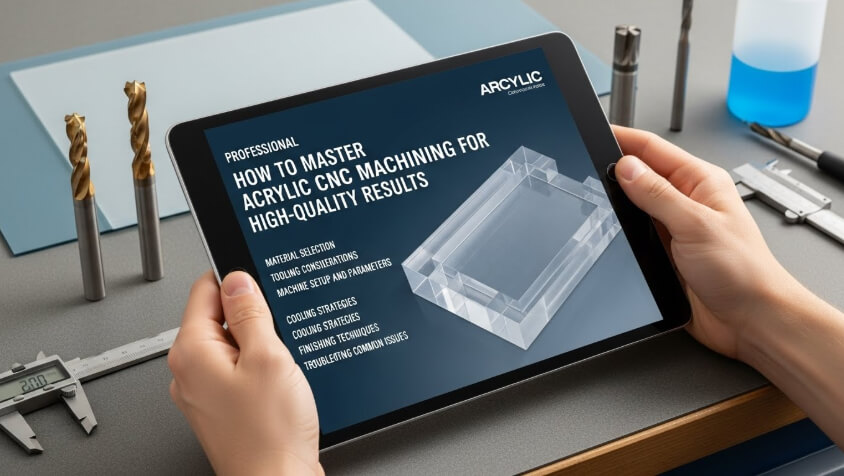
Introduction
Acrylic CNC machining is rapidly becoming a popular method for manufacturing precise and high-quality acrylic products. With the growth of industries like signage, furniture, and decorative arts, the demand for accurate and efficient acrylic machining techniques has increased.
In this article, we will explore acrylic CNC machining, its benefits, techniques, applications, and tips for achieving the best results.
What is Acrylic CNC Machining?
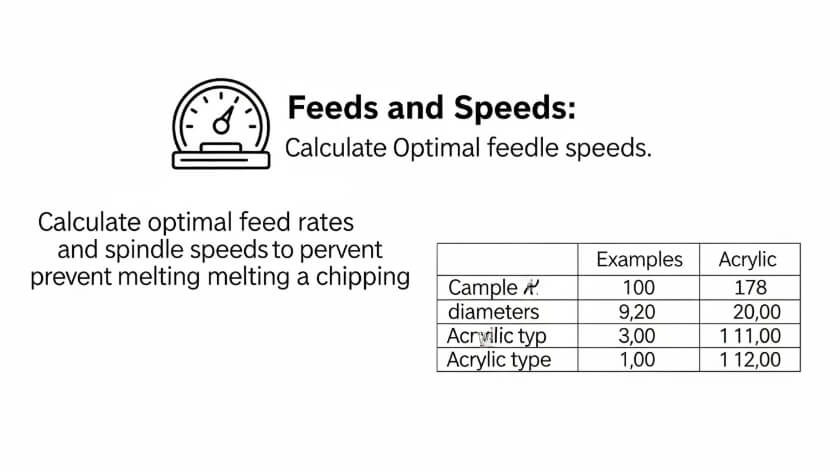
Acrylic CNC machining refers to the process of shaping, cutting, drilling, or engraving acrylic sheets using computer numerical control (CNC) machines.
CNC machines follow pre-programmed instructions to create precise and intricate designs. Acrylic, also known as PMMA (Polymethyl Methacrylate), is a versatile plastic that is lightweight, transparent, and highly durable.
Unlike traditional machining methods, CNC machining ensures high accuracy, smooth finishes, and consistent results, making it ideal for both small-scale and industrial projects.
Benefits of Acrylic CNC Machining
There are several advantages to choosing acrylic CNC machining over other methods of processing acrylic:
1. High Precision and Accuracy
CNC machines operate with digital precision, ensuring that every cut, drill, and engraving is accurate to the millimeter. This level of precision is difficult to achieve with manual tools.
2. Versatility in Design
Acrylic CNC machining allows the creation of complex and intricate designs that would be challenging to produce by hand. This includes curved surfaces, detailed engravings, and layered structures.
3. Faster Production
CNC machining is automated, reducing the time required for production. Multiple sheets of acrylic can be processed simultaneously, making it suitable for large-scale manufacturing.
4. Smooth Finishes
Acrylic CNC machining produces smooth edges and surfaces, minimizing the need for additional polishing. This ensures that the final product looks professional and high-quality.
5. Reduced Material Waste
Because CNC machines follow exact designs, material waste is minimized. This is both cost-effective and environmentally friendly.
Common Techniques in Acrylic CNC Machining
Acrylic CNC machining uses various techniques depending on the desired outcome. Some of the most common techniques include:
1. Cutting
CNC cutting involves slicing acrylic sheets into specific shapes or sizes. Laser cutters or CNC routers can achieve straight cuts, curves, and intricate shapes with precision.
2. Drilling
Drilling is used to create holes in acrylic sheets for assembly, decoration, or functional purposes. CNC machines ensure that holes are perfectly aligned and consistent in size.
3. Engraving
Engraving involves etching designs, text, or patterns onto acrylic surfaces. CNC engraving can produce both shallow and deep engravings, allowing for decorative and functional applications.
4. Polishing
Polishing can be done using CNC machines or manually after machining. CNC machining often leaves a smooth surface, reducing the time and effort required for finishing.
5. Bending and Shaping
Some CNC machines can also assist in heating and shaping acrylic sheets into 3D forms. This technique is commonly used for creating displays, signage, and custom designs.
Materials Used in Acrylic CNC Machining
When working with acrylic, it is important to choose the right type of material for your project. The most common acrylic types used in CNC machining are:
- Cast Acrylic: Known for its clarity and strength, cast acrylic is ideal for engraving and high-precision applications.
- Extruded Acrylic: More affordable and easier to machine, extruded acrylic is suitable for large projects and general-purpose cutting.
- Colored Acrylic: Available in a variety of colors, colored acrylic adds aesthetic appeal to decorative projects.
- Transparent and Frosted Acrylic: These types are often used for signage, displays, and decorative panels.
Applications of Acrylic CNC Machining
Acrylic CNC machining is used in a wide range of industries and applications. Some common examples include:
1. Signage
Acrylic signs are durable, visually appealing, and easy to customize. CNC machining allows businesses to create logos, letters, and decorative elements with precision.
2. Furniture
Acrylic furniture, such as chairs, tables, and display stands, can be designed with complex shapes using CNC machining. The precision ensures stability and aesthetic appeal.
3. Retail Displays
Retail stores often use acrylic display cases and stands. CNC machining allows for the creation of modular designs that are both functional and attractive.
4. Decorative Arts and Crafts
Artists and designers use acrylic CNC machining to create sculptures, decorative panels, and custom designs. The ability to achieve intricate details makes it ideal for artistic projects.
5. Industrial Applications
Acrylic is also used in protective covers, machine guards, and optical components. CNC machining ensures that these parts are accurate, functional, and durable.
Conclusion:
Acrylic CNC machining is a versatile and efficient method for creating high-quality acrylic products. From signage and furniture to industrial components, CNC machining offers precision, speed, and design flexibility.
By understanding the techniques, materials, and best practices, manufacturers and designers can maximize the potential of acrylic CNC machining.
Whether you are a hobbyist, small business, or large-scale manufacturer, incorporating CNC machining into your acrylic projects ensures professional results and a competitive edge in the market.
 Zain
Zain