 By Zain
Introduction
Artificial intelligence is becoming part of daily life. From chatbots to smart assistants, AI tools are everywhere. Behind these smart tools are two powerful elements: system prompts and models.
Understanding system prompts and models of AI tools helps users and businesses use AI more effectively and safely.
This article explains what system prompts and models are, how they work together, and why they are so important in modern AI systems.
What Are System Prompts in AI Tools?
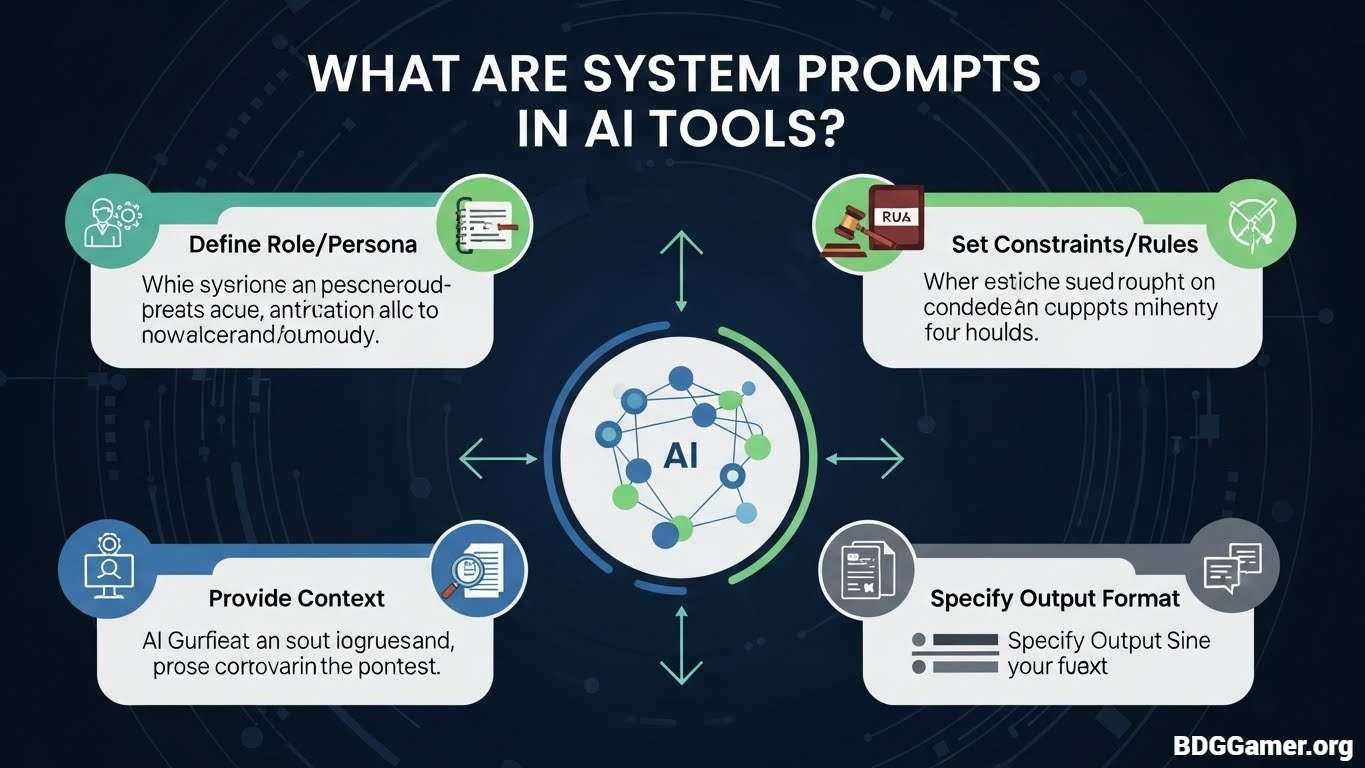
System prompts are special instructions given to an AI system before it starts working. These prompts guide how the AI should behave, speak, and respond.
System prompts act like rules or guidelines. They define the role of the AI, its tone, and what it should or should not do. For example, a system prompt can tell an AI to act as a teacher, a customer support agent, or a writer.
What Are Models in AI Tools?
Models are the brain of AI tools. A model is trained on large amounts of data so it can understand language, patterns, and user needs.
Models analyze input, predict the best response, and generate output. Without models, AI tools would not be able to think, respond, or learn.
Why System Prompts and Models of AI Tools Are Important
The success of an AI tool depends on both its system prompts and models. Together, they decide:
- How accurate responses are
- How safe the AI behaves
- How useful the AI becomes
- How well the AI understands users
Without proper system prompts and models of AI tools, the results can be confusing, unsafe, or incorrect.
How System Prompts Guide AI Behavior
System prompts define the personality and purpose of an AI tool.
They control:
- Language style
- Response length
- Safety rules
- Topic limits
- Professional tone
These prompts help AI behave in a predictable and helpful way.
How Models Power AI Intelligence
Models process the user’s input and decide the best response. They use machine learning to understand:
- Language meaning
- Context
- Emotions
- Patterns
- Logical structure
The better the model, the more accurate and natural the response.
Relationship Between System Prompts and Models of AI Tools
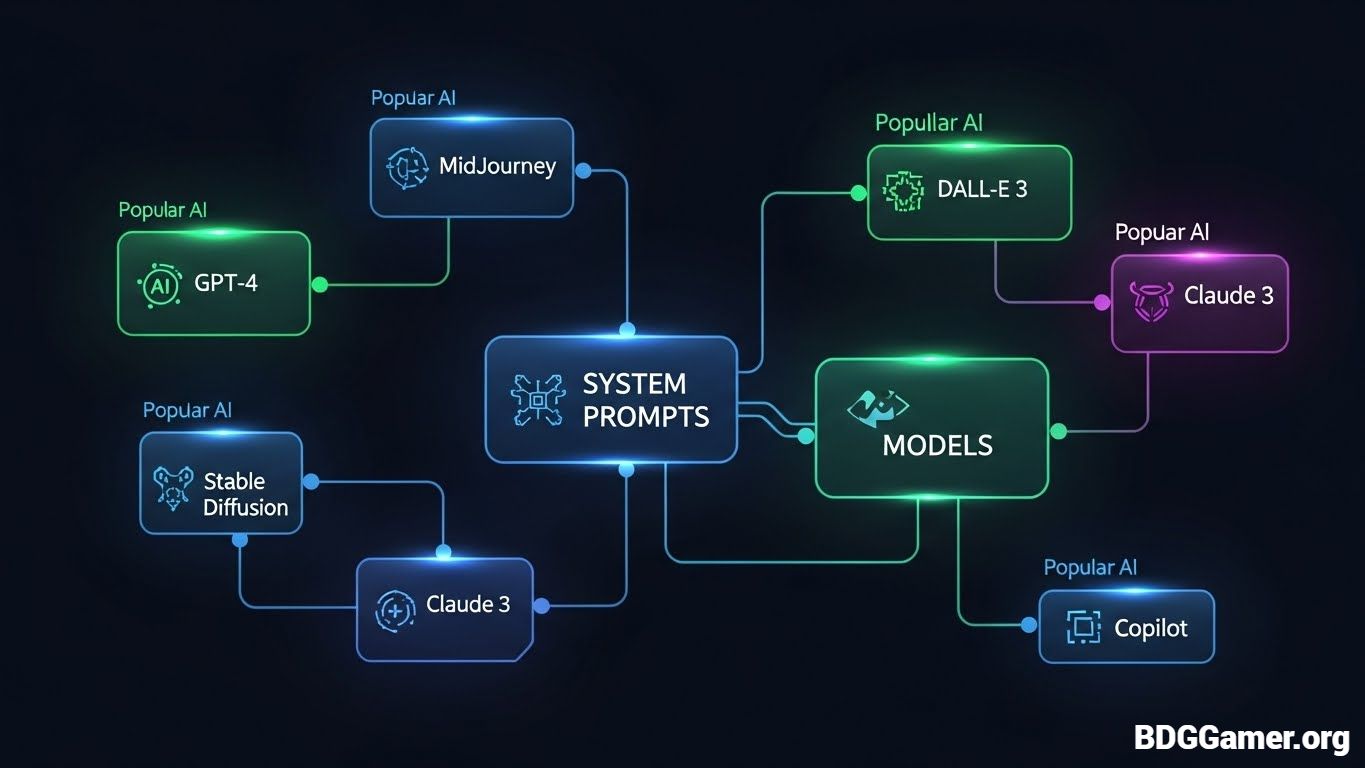
System prompts and models work together. Prompts guide the behavior, and models deliver intelligence.
Think of system prompts as instructions and models as the engine that follows those instructions. Both are necessary for smooth AI performance.
Types of System Prompts Used in AI Tools
Role-Based Prompts
These prompts tell the AI what role to play, such as teacher, advisor, or assistant.
Safety Prompts
These ensure that the AI avoids harmful or sensitive topics.
Tone Prompts
They define whether the AI should sound friendly, professional, or casual.
Task-Based Prompts
These focus on specific actions like writing, summarizing, or analyzing.
Types of Models in AI Tools
Language Models
These understand and generate human language.
Vision Models
These analyze images and visuals.
Voice Models
They process speech and audio commands.
Predictive Models
These help in forecasting and decision-making.
Benefits of Using Strong System Prompts and Models of AI Tools
- More accurate responses
- Better safety control
- Improved user experience
- Faster task completion
- Consistent AI behavior
Common Uses of System Prompts and Models of AI Tools
Customer Support
AI chatbots use prompts and models to answer customer questions correctly.
Content Creation
AI writers follow prompts to create articles, emails, and posts.
Education
AI tutors follow system prompts to teach students.
Business Analysis
Models analyze data while prompts guide reporting styles.
How Businesses Customize System Prompts
Companies adjust system prompts to match brand voice, company policies, and customer needs. This allows businesses to control how AI interacts with users.
Customized system prompts make AI tools more personal and useful.
How Models Learn and Improve
Models learn from training data and improve with feedback. Over time, they understand better patterns and provide improved answers.
This continuous learning process keeps AI tools up to date.
Challenges in Managing System Prompts and Models of AI Tools
Complex Prompt Design
Poorly written prompts can cause confusion.
Model Bias
Models may reflect data bias.
Overdependence
Relying too much on AI can reduce human checks.
How AI Tools Overcome These Challenges
- Better prompt testing
- Improved training methods
- Regular model updates
- Human supervision
Conclusion:
System prompts and models of AI tools form the foundation of modern artificial intelligence. Prompts guide behavior, and models provide intelligence. Together, they make AI tools useful, safe, and powerful.
Understanding system prompts and models of AI tools helps individuals and businesses get the best results from AI technology.