 By Zain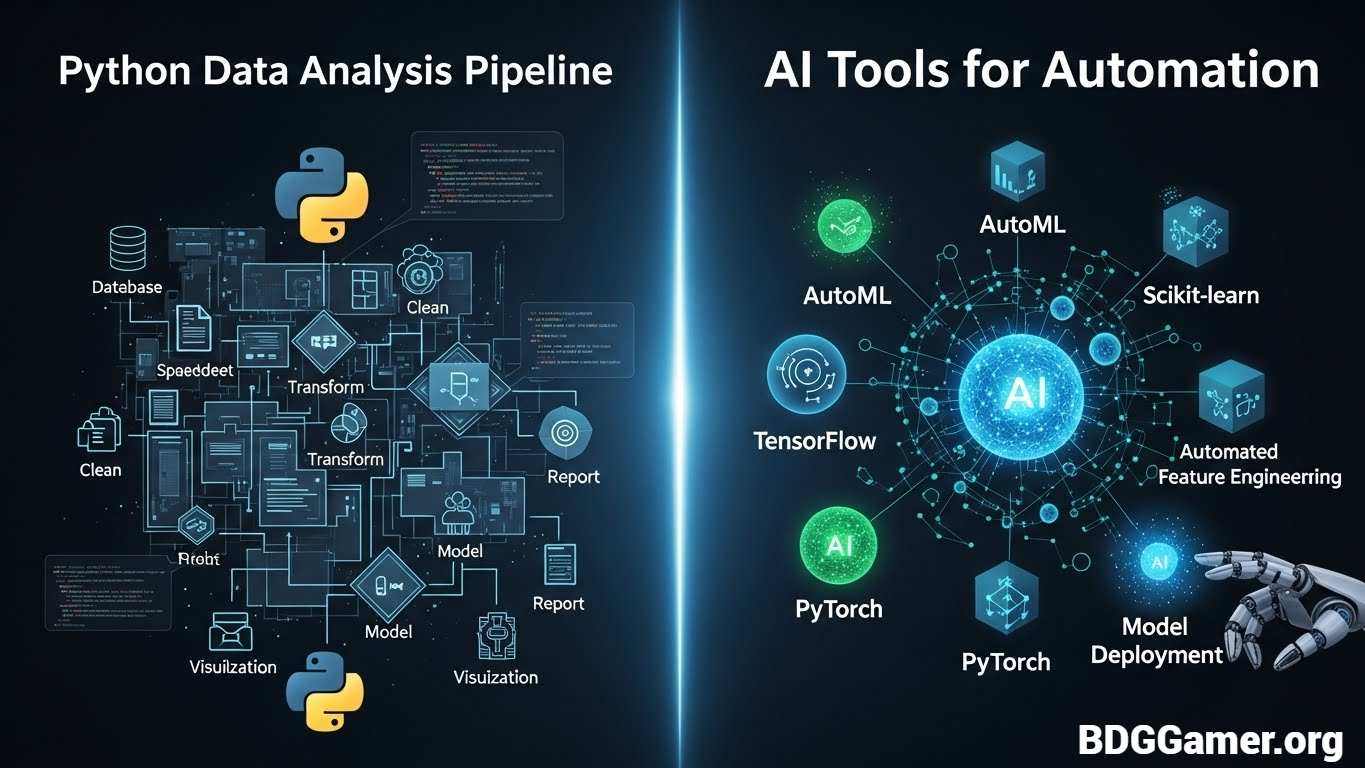
Introduction
Data is growing faster than ever. Every business, student, and researcher now works with large amounts of information. Handling this data manually takes time and can cause mistakes.
This is why AI tools for automating Python data analysis pipelines are becoming more popular.
These smart tools help automate tasks such as data cleaning, analysis, reporting, and visualization.
They reduce human effort and make the whole process faster, easier, and more reliable. In this guide, you will learn what these tools are, how they work, and why they are important.
What Are AI Tools for Automating Python Data Analysis Pipelines?
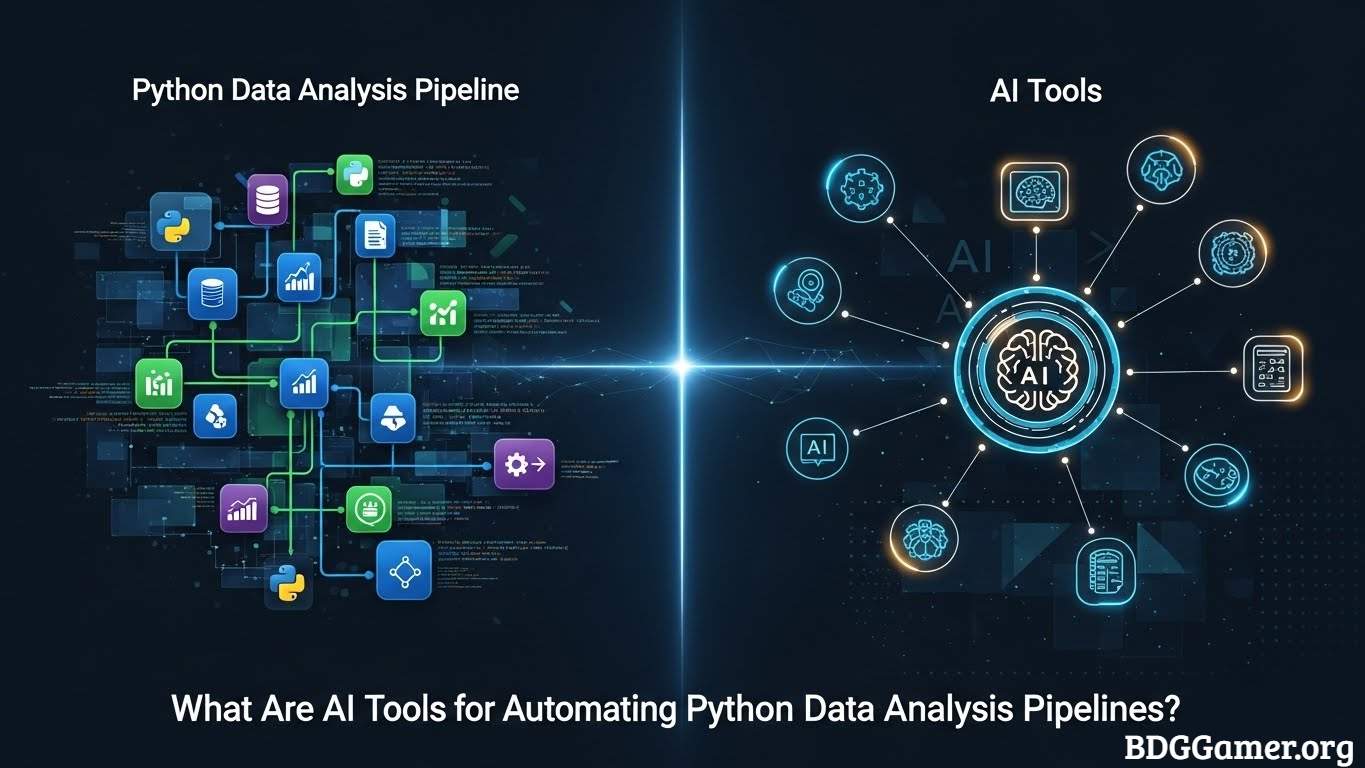
AI tools for automating Python data analysis pipelines are smart software systems that use artificial intelligence to manage data tasks automatically.
These tools connect different steps of data analysis into one smooth pipeline.
Instead of manually running scripts, cleaning files, and creating reports, these tools can handle everything with very little human input.
They use machine learning and intelligent rules to understand data patterns and take actions on their own.
Why Python Is Used for Data Analysis Pipelines
Python is one of the most popular languages for data analysis. It is easy to learn and has powerful libraries for handling data.
Some reasons why Python is preferred:
- Simple syntax
- Large data science community
- Many built-in data libraries
- Easy integration with AI tools
- Works well for automation
Because of these benefits, AI tools for automating Python data analysis pipelines are built mainly around Python environments.
How Automation Improves Data Analysis
Automation removes repetitive work. It allows analysts to focus on decision-making instead of routine tasks.
Benefits of automation include:
- Faster data processing
- Fewer errors
- Better accuracy
- Time saving
- Consistent results
With AI added to automation, pipelines become even smarter.
Key Features of AI Tools for Automating Python Data Analysis Pipelines
AI tools for automating Python data analysis pipelines come with powerful features that make data handling simple.
Automatic Data Cleaning
These tools automatically detect missing values, duplicate rows, and incorrect formats. They clean the data without manual input.
Smart Data Transformation
They convert raw data into useful formats. Columns can be scaled, categorized, or normalized automatically.
Intelligent Model Selection
AI can choose the best analysis or machine learning model based on the dataset.
Automated Reporting
Once analysis is done, reports and charts are generated automatically.
Error Detection
The system detects issues in the pipeline and fixes or alerts users.
Common Tasks Automated by AI Tools
AI tools for automating Python data analysis pipelines handle many common tasks such as:
- Loading datasets
- Removing unnecessary columns
- Filling missing values
- Running analysis scripts
- Training machine learning models
- Creating dashboards
- Exporting final results
All these steps run in a fixed order without human involvement.
Advantages of Using AI Tools for Automating Python Data Analysis Pipelines
Saves Time
Manual data handling takes hours. AI pipelines complete the same tasks in minutes.
Improves Accuracy
AI reduces human mistakes and ensures consistent output.
Boosts Productivity
Teams can focus on strategy rather than routine work.
Handles Large Data Easily
These tools are built to process massive datasets without slowing down.
Easy Monitoring
Users can track pipeline performance easily.
Who Should Use AI Tools for Automating Python Data Analysis Pipelines?
These tools are helpful for:
- Data analysts
- Business owners
- Researchers
- Marketing teams
- Finance departments
- Students
- Software developers
Anyone working with data can benefit from automation.
Use Cases of AI Tools for Automating Python Data Analysis Pipelines
Business Reporting
Companies can generate sales and performance reports automatically.
Market Research
AI tools analyze customer behavior and trends quickly.
Financial Analysis
They automate budget analysis, forecasts, and profit reports.
Healthcare Data
Medical data can be processed and summarized automatically.
Academic Research
Researchers save time while analyzing survey and experiment data.
How AI Learns from Data Pipelines
AI tools improve with time. They learn from previous data runs. The system understands which methods give better results and automatically applies them in future pipelines.
This learning ability makes AI tools for automating Python data analysis pipelines smarter with every use.
Step-by-Step Workflow of an Automated Pipeline
- Data is collected
- Raw data is cleaned
- Data is transformed
- Analysis models are selected
- Results are generated
- Reports are created
- Output is stored
All steps are connected and run automatically.
Challenges and How AI Solves Them
Large File Handling
AI optimizes memory and speeds up processing.
Data Quality Issues
AI detects and fixes errors automatically.
Repetitive Tasks
Automation eliminates repeated work.
Manual Dependency
Pipelines run without constant human involvement.
Future of AI Tools for Automating Python Data Analysis Pipelines
The future is very promising. These tools will become more intelligent and more user-friendly.
Expected improvements:
- Better self-learning
- More natural language commands
- Faster processing speeds
- Real-time analysis
- Simple drag-and-drop pipelines
Businesses will rely heavily on automated pipelines.
Conclusion:
AI tools for automating Python data analysis pipelines are changing the way data is handled. They make analysis faster, smarter, and more accurate.
Whether you are a business owner, student, or researcher, these tools can save time and improve decision-making.
With growing data needs, using AI tools for automating Python data analysis pipelines is no longer a luxury—it is becoming a necessity.