 By Zain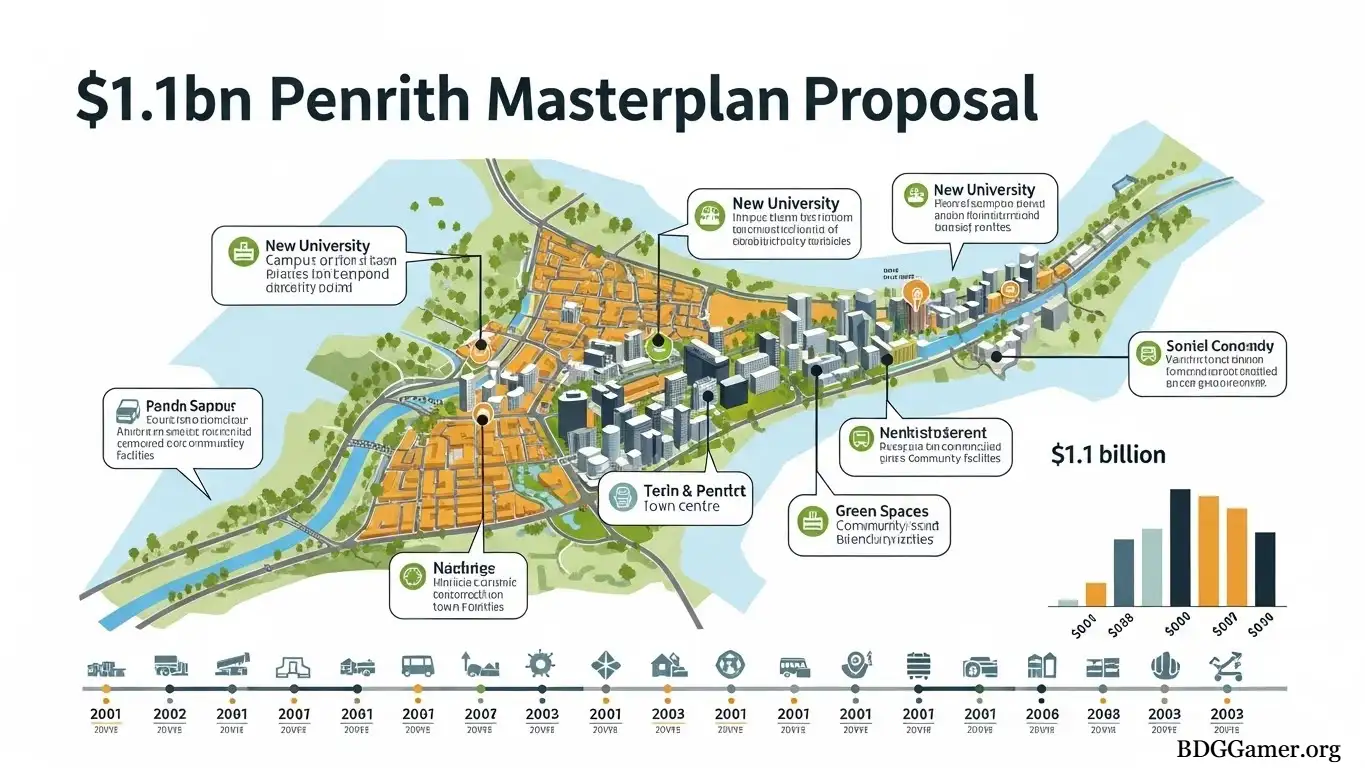
Introduction
The news that a Shanghai developer files $1.1bn Penrith masterplan has attracted strong attention from the property, construction, and urban development sectors.
This large-scale proposal highlights growing international interest in Australian real estate and shows how masterplanned communities continue to shape modern cities.
With rising demand for housing, infrastructure, and mixed-use developments, projects of this scale play a key role in supporting long-term economic growth.
The Penrith masterplan aims to deliver residential, commercial, and community-focused spaces that align with future urban living needs.
In this article, we explore what it means when a Shanghai developer files $1.1bn Penrith masterplan, why Penrith was chosen, and how this project could influence the local property market and broader development landscape.
Understanding the $1.1bn Penrith Masterplan Proposal
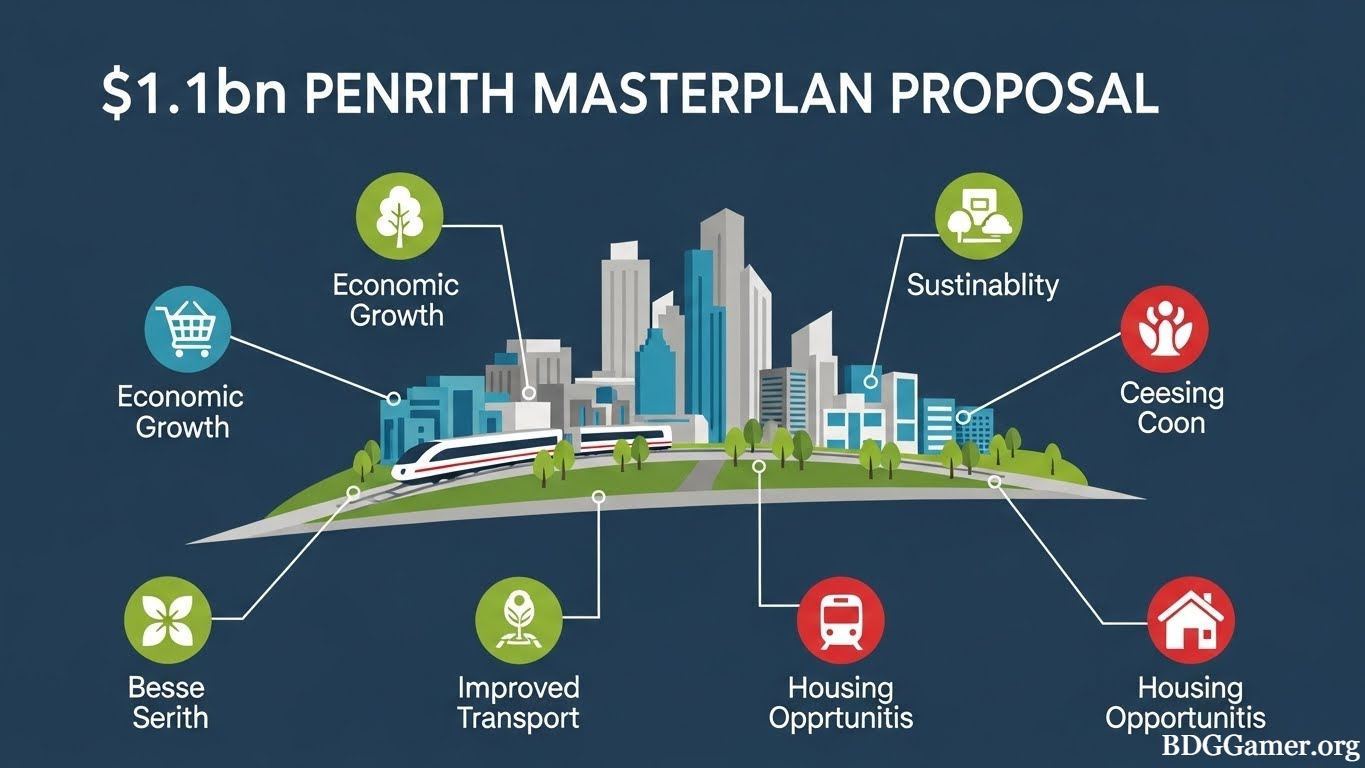
When a Shanghai developer files $1.1bn Penrith masterplan, it signals a commitment to large-scale, long-term development.
A masterplan typically outlines how land will be used over many years, including housing, roads, retail areas, green spaces, and public amenities.
The proposed investment value of $1.1 billion suggests a comprehensive project designed to support population growth while improving liveability.
Such developments usually focus on balanced urban design, ensuring that residential areas are supported by services, transport access, and employment opportunities.
This type of planning helps cities grow in a structured and sustainable way rather than through uncoordinated development.
Why Penrith Is Attracting Global Developers
Penrith has become an increasingly attractive location for major developers. When a Shanghai developer files $1.1bn Penrith masterplan, it reflects confidence in the area’s long-term growth potential.
Penrith is known for its expanding population, improving infrastructure, and strategic location within Greater Sydney.
These factors make it suitable for large masterplanned communities that can serve both current residents and future generations.
The area’s access to transport corridors, employment hubs, and educational facilities also strengthens its appeal. As cities expand outward, locations like Penrith offer space and opportunity for well-designed developments.
Key Features Expected in the Penrith Masterplan
Although details may evolve, when a Shanghai developer files $1.1bn Penrith masterplan, certain features are commonly expected in projects of this scale.
Residential Housing Options
Large masterplans usually include a mix of housing types. These may range from apartments and townhouses to family homes. This variety supports diverse income levels and household sizes.
Commercial and Retail Spaces
Commercial zones often form an essential part of such developments. Retail outlets, offices, and service spaces help create local employment and reduce the need for long commutes.
Community and Lifestyle Facilities
Parks, walking paths, community centers, and recreational facilities are often included to enhance quality of life. These spaces encourage social interaction and promote healthy living.
Economic Impact of the $1.1bn Development
When a Shanghai developer files $1.1bn Penrith masterplan, the economic impact can be significant. Large projects create jobs during both construction and operation phases.
Construction activity supports trades, suppliers, and professional services. Over time, new commercial spaces provide ongoing employment opportunities, contributing to the local economy.
Additionally, increased population and business activity can boost surrounding areas, supporting small businesses and local services.
Foreign Investment and the Australian Property Market
The fact that a Shanghai developer files $1.1bn Penrith masterplan highlights the ongoing role of foreign investment in Australian real estate.
International developers often bring experience from large-scale projects in global cities.
Such investment can introduce innovative design approaches and advanced construction methods. However, these projects still need to meet local planning requirements and community expectations.
Foreign-backed developments are typically subject to regulatory approvals to ensure they align with national and regional interests.
Urban Planning and Long-Term Vision
A masterplan is more than just a collection of buildings. When a Shanghai developer files $1.1bn Penrith masterplan, it reflects a long-term vision for how the area will function.
Urban planning at this level considers traffic flow, public transport access, environmental sustainability, and future population growth.
The goal is to create a self-sufficient community where people can live, work, and relax.
Thoughtful planning helps reduce urban sprawl and supports efficient use of land and resources.
What This Means for the Future of Penrith
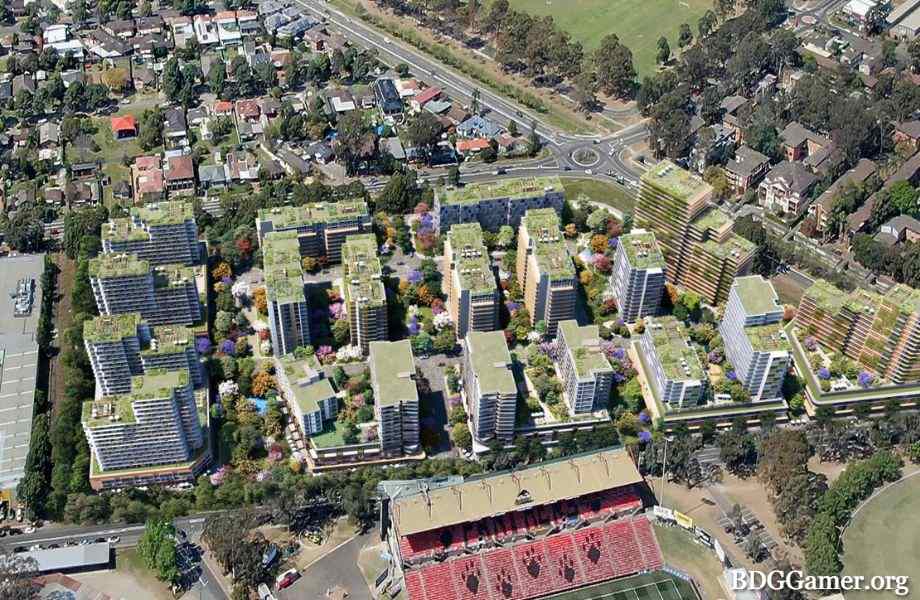
The decision that a Shanghai developer files $1.1bn Penrith masterplan could mark a turning point for the area. Large developments often reshape local identity and influence future investment.
If approved and delivered successfully, the masterplan may attract more businesses, residents, and services to Penrith. This can strengthen its position as a major urban center rather than just a suburban location.
Over time, the project could contribute to a more connected and vibrant community.
Conclusion:
The moment a Shanghai developer files $1.1bn Penrith masterplan represents more than a single development proposal.
It highlights confidence in Penrith’s future and demonstrates the scale of investment shaping modern cities.
With careful planning, community engagement, and sustainable design, this project has the potential to deliver long-term benefits. From economic growth to improved lifestyle options, the impact could be felt for decades.
As planning processes move forward, attention will remain focused on how this ambitious masterplan evolves and what it ultimately delivers for Penrith and beyond.