 By Zain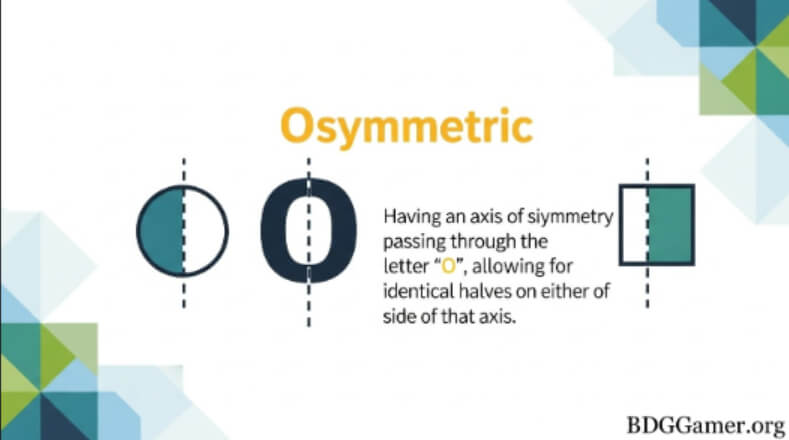
Introduction
The term osymmetric is becoming increasingly popular across different fields, including science, technology, design, and data analysis. While it may sound complex, osymmetric is actually a concept that focuses on balance, structure, and uneven alignment that still works in harmony.
Unlike traditional symmetry, osymmetric does not require perfect mirroring, making it more flexible and realistic.
In this article, we will explore what osymmetric means, how it works, where it is used, and why it matters in today’s modern world.
What Does Osymmetric Mean?

Osymmetric refers to a state or design where elements are not perfectly symmetrical but still maintain balance and order. It allows differences in size, shape, or position while ensuring the overall structure feels stable and functional.
In simple terms, osymmetric means “balanced but not identical.” This concept reflects real-world systems where perfect symmetry is rare, yet functionality and harmony still exist.
Difference Between Symmetric and Osymmetric
Traditional Symmetry Explained
Traditional symmetry involves identical shapes or elements on both sides of a central point or axis. This type of balance is common in mathematics, architecture, and nature.
How Osymmetric Is Different
Osymmetric breaks away from perfect mirroring. Instead, it focuses on functional balance. Elements may vary, but they still work together effectively. This makes osymmetric systems more adaptable and realistic.
Why Osymmetric Is Important
Osymmetric is important because real-world systems are rarely perfect. Whether in nature, technology, or design, flexibility often leads to better performance.
Osymmetric structures can handle changes, stress, and growth more effectively than rigid symmetrical systems.
This approach supports creativity, innovation, and efficiency across many industries.
Osymmetric in Science and Nature
Osymmetric Patterns in Nature
Nature is full of osymmetric patterns. Human faces, tree branches, and landscapes are rarely symmetrical, yet they function beautifully. This natural imbalance often leads to stronger and more adaptable systems.
Biological Systems and Osymmetric Design
Many biological systems are osymmetric. Organs in the human body vary in size and position but still work together efficiently. This shows how osymmetric structures support survival and performance.
Osymmetric in Technology
Osymmetric Systems in Computing
In technology, osymmetric systems allow different components to perform specialized tasks. Instead of forcing uniformity, systems benefit from diversity in processing and structure.
This approach improves performance and fault tolerance.
Osymmetric in Software Architecture
Osymmetric software design allows modules to differ in size and function while maintaining system balance. This helps developers build scalable and flexible applications.
Such systems are easier to update and maintain over time.
Osymmetric in Design and Creativity
Visual Design and Osymmetric Balance
Osymmetric design is widely used in graphic design and art. Instead of mirror images, designers use different elements that still create visual balance.
This approach feels more dynamic and engaging to viewers.
Osymmetric in Architecture
Modern architecture often uses osymmetric layouts. Buildings may have uneven shapes or layouts that still provide stability and functionality.
Osymmetric architecture allows more creative freedom while meeting structural needs.
Osymmetric in Data and Analytics
Osymmetric Data Distribution
In data analysis, osymmetric distributions are common. Data points may not be evenly spread, but meaningful patterns still exist.
Understanding osymmetric data helps analysts make better predictions and decisions.
Osymmetric Models in Problem Solving
Osymmetric models accept variation instead of forcing uniformity. This leads to more accurate and realistic solutions, especially in complex systems.
Benefits of Osymmetric Approaches
Greater Flexibility
Osymmetric systems can adapt more easily to changes. This makes them suitable for evolving environments and growing demands.
Improved Efficiency
By allowing components to operate differently, osymmetric designs reduce wasted resources and improve performance.
Realistic Representation
Osymmetric approaches reflect real-world conditions more accurately. This leads to better outcomes in design, technology, and analysis.
Challenges of Osymmetric Systems
Complexity in Management
Osymmetric systems can be more complex to manage because components differ in behavior and structure. Proper planning is required to maintain balance.
Learning Curve
Understanding and applying osymmetric principles may take time. Users and designers must learn how to balance variation effectively.
Measurement Difficulties
Because osymmetric systems are not uniform, measuring performance can be more challenging. Specialized tools or methods may be required.
Best Practices for Using Osymmetric Concepts
Focus on Balance, Not Perfection
The goal of osymmetric design is balance, not identical elements. Each component should serve a clear purpose.
Test and Adjust Regularly
Regular testing helps ensure that osymmetric systems remain stable and efficient over time.
Embrace Variation
Variation is a strength in osymmetric systems. Embracing differences can lead to innovation and improvement.
Osymmetric in Everyday Life

Osymmetric concepts are not limited to professionals or experts. Everyday decisions, such as organizing a workspace or planning a schedule, often follow osymmetric principles. Balance does not require perfect order, just effective structure.
Recognizing osymmetric patterns can help people think more flexibly and creatively.
Conclusion:
Osymmetric is a powerful concept that reflects how real-world systems operate. By focusing on balance rather than perfection, osymmetric designs and structures offer flexibility, efficiency, and adaptability.
From nature and technology to design and data, osymmetric thinking helps create systems that are strong, realistic, and future-ready. Understanding and applying osymmetric principles can lead to better outcomes in both professional and everyday settings.